
Drone Roof Inspections in Tampa Bay: What to Expect
Roofs in Tampa Bay take a beating: strong sun, heavy summer rain, salt air near the coast and the occasional hurricane. Checking one the traditional way means a ladder, a walk on the surface and a lot of guesswork about the areas nobody can safely reach. Drone roof imagery offers another way to look: close, detailed photographs of the whole roof, taken from the air, without anyone stepping onto it. This guide explains what a drone roof inspection involves, what it can show, what it cannot, and how to prepare.
What a drone roof inspection is
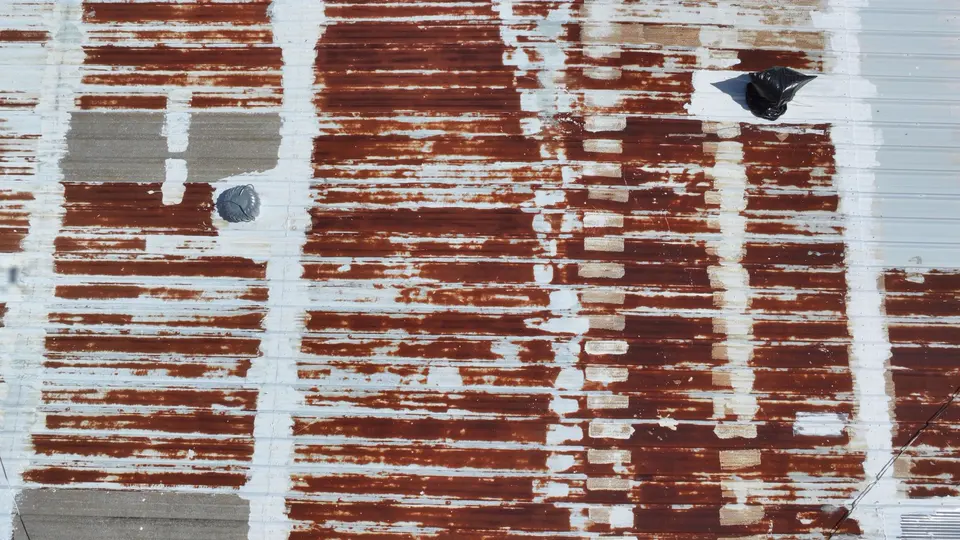
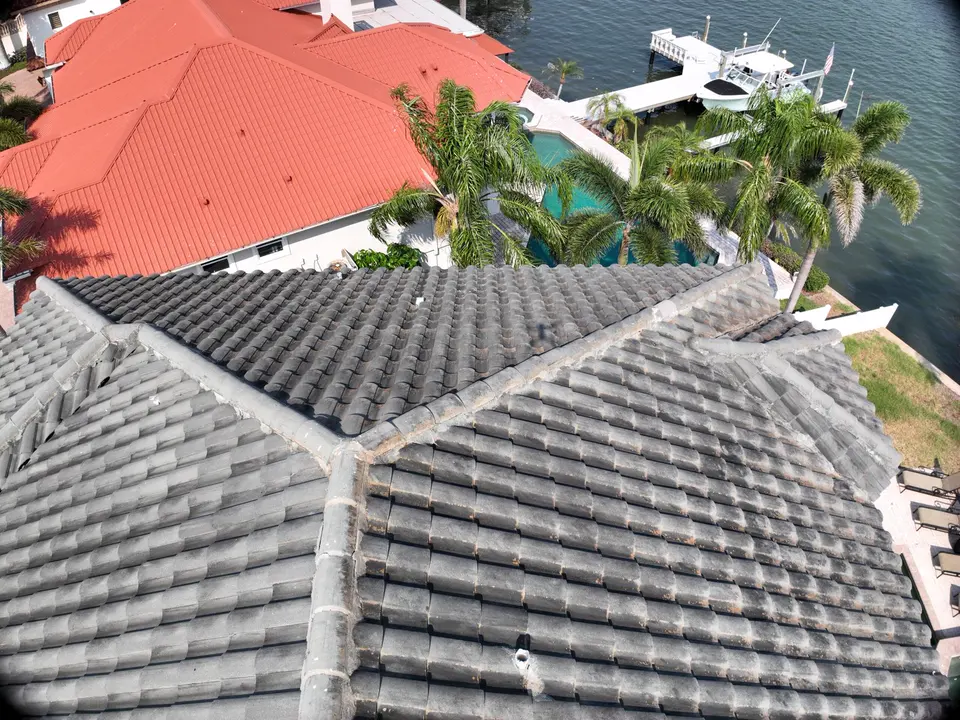
A drone roof inspection is a flight over the roof that captures high-resolution photographs of the entire surface and the edges, vents, flashing and other details. The pilot flies a planned pattern so no area is missed, then delivers the images for you or your roofer to review at a desk. Nobody has to climb onto the roof, which removes the fall risk and avoids foot traffic on fragile or aging materials.
What drone photos can show
- Visible surface damage such as missing, lifted or cracked shingles and tiles.
- Corrosion and rust on metal roofs, and the condition of old coating repairs.
- Ponding and staining that suggest water is not draining well.
- Flashing, vents and penetrations where leaks often start.
- Debris and vegetation on or near the roof.
- Overall condition compared with the roof's age and the area around it.
Because the photos are close and sharp, you can zoom in on a single spot instead of guessing from the ground. That helps you decide whether the roof needs a repair, a closer look from a licensed roofer, or nothing at all.
The complete roof image and report
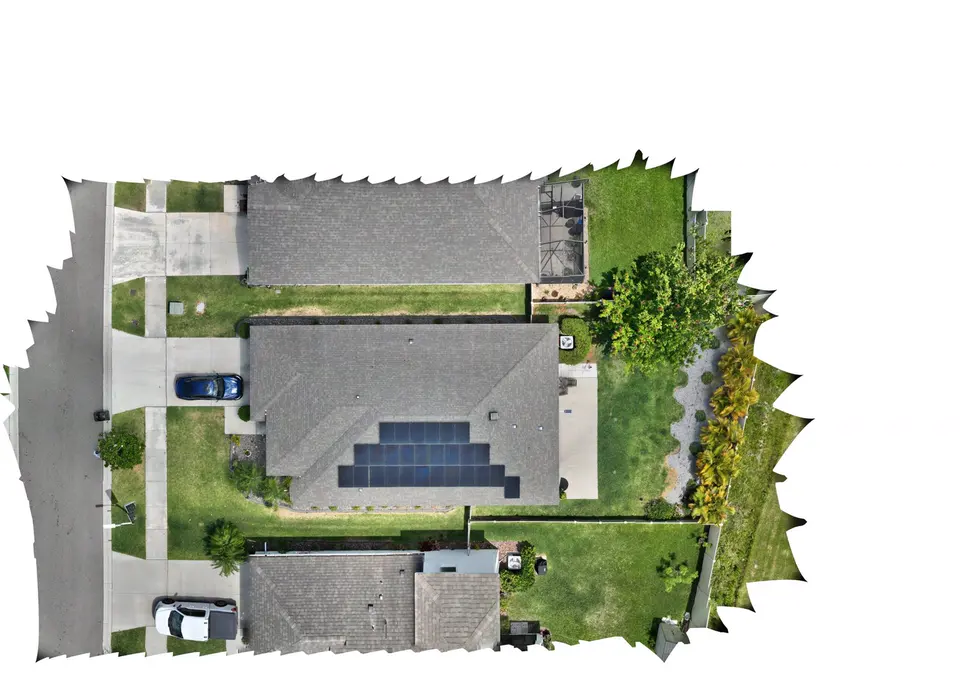
Close-up photos are only part of the picture. Stitching the flight images together creates a single, complete image of the whole roof, sometimes called an orthomosaic. It lets you see the roof as one picture, find where each close-up belongs, and mark areas of concern on a zone-by-zone basis. A findings report can then list what was seen in each zone with the matching photos, so a homeowner, property manager or roofer knows exactly where to look.
Residential and commercial roofs
Residential roofs
Shingle and tile roofs are common across Tampa Bay. Drone photos help homeowners check for storm damage, plan repairs, document a roof before listing a home, or keep a dated record of its condition.
Commercial roofs
Flat, metal and low-slope roofs on warehouses, retail centers and apartment buildings are large and often hard to access. Aerial imagery covers a big surface quickly and shows corrosion, seams, drainage and rooftop equipment that would take hours to check on foot.
When a drone roof inspection makes sense
- After a storm, to see visible damage without climbing up.
- Before buying or selling a building, to document its roof condition.
- Before a repair or replacement, to give contractors the same clear photos for quotes.
- For routine maintenance, with dated photos each year to track changes.
- For large or hard-to-reach roofs where walking the surface is slow or unsafe.
What drone photos cannot do
Drone imagery documents what is visible from above. It does not replace a licensed roofer or engineer. It cannot see inside the roof, measure moisture in the decking, or confirm structural soundness, and it does not guarantee that an insurance claim will be approved. Think of it as a fast, safe, well-documented first look. If the photos show something concerning, a qualified roofing professional should check it in person.
How to prepare for the flight
- Share the address, roof type and what you are worried about.
- Tell the pilot about nearby airports, obstacles, power lines or neighbors who may need a heads-up.
- Pick a dry, calm day. Rain, wind and storms cause delays.
- Collect past repair records or earlier photos, if you have them, for comparison.
Choosing a roof drone operator in Tampa Bay
Look for an operator who is FAA Part 107 licensed and insured, who explains what the deliverables will include, and who can show examples of real roof photos and reports. Ask how quickly you will receive the images and whether a report is included. Local knowledge helps too, because Florida weather and airspace affect when and where flights can happen.
Imaging in the Sky provides roof and building aerial imagery across Tampa Bay, including Tampa, St. Petersburg, Clearwater, Brandon, Riverview, Wesley Chapel, Sarasota, Bradenton and Lakewood Ranch.
Common questions
Does the drone have to touch the roof?
No. The drone stays in the air, so there is no foot traffic and no risk to the surface.
How long does a flight take?
Most homes take a short visit. Large commercial roofs take longer, depending on size and obstacles.
Will I get a report?
You receive the photos and the complete roof image, and a findings report can be included so you can see the roof zone by zone.
Can I use the photos for a repair quote?
Yes. Sharing the same clear photos with several roofers helps them quote the same work.
See how roof and building aerial imagery works, or send a few details about your roof for a quote.